


Key Takeaways
- Synthetic mica pearlescent pigments are lab-made materials that give products a shiny, pearly look.
- They create a beautiful shimmer and depth, and how big the particles are changes how they look.
- These pigments are used in makeup like eyeshadow, lip gloss, and nail polish, but also in other personal care items.
- They offer a smooth feel, blend easily, and last a long time on the skin.
- Many synthetic mica pigments are made with eco-friendly practices and are biodegradable, making them a good choice for conscious consumers.
Understanding Synthetic Mica Pearlescent Pigments
So, what exactly are these synthetic mica pearlescent pigments we keep hearing about? Think of them as the lab-created cousins of natural mica, but with some pretty neat upgrades. They’re basically tiny, flat platelets, usually made from synthetic fluorphlogopite (that’s a mouthful, I know!), which is then coated with metal oxides like titanium dioxide and iron oxide. This layering is what gives them their special shimmer and color.
The Science Behind Synthetic Mica
Natural mica has been used for ages, but it can have inconsistencies and sometimes contains impurities. Synthetic mica is manufactured to be super pure and uniform. This means you get a more predictable and often brighter effect. The process involves growing these mica crystals in a controlled environment, which allows for precise control over their size and shape. This precision is key to achieving the consistent, high-quality pearlescent effects that manufacturers are looking for. It’s all about creating a perfect, smooth surface that reflects light beautifully.
Key Properties of Synthetic Mica Pearlescent Pigments
These pigments aren't just pretty; they've got some serious performance benefits. They're known for:
- High Whiteness: This provides a clean base for vibrant colors.
- Thermal Resistance: They can handle heat without breaking down, which is great for certain manufacturing processes.
- Chemical Stability: They don't react easily with other ingredients, making them stable in various formulations.
- Optical Brilliance: This is where the magic happens – their ability to reflect light creates that signature shimmer.
Distinguishing Synthetic from Natural Mica
While they look similar, there are differences. Natural mica can sometimes have a duller appearance or contain trace elements that affect its color. Synthetic mica, being lab-grown, offers superior purity and consistency. This often translates to a more intense sparkle and cleaner color payoff. For example, synthetic mica-based pigments can offer pure hues and high chroma, which really makes products pop. You can find a range of particle sizes, from fine powders to larger flakes, depending on the desired effect. This versatility makes them a go-to for creating eye-catching packaging effects.
The manufacturing process for synthetic mica allows for a level of control that's simply not possible with naturally occurring minerals. This means we can tailor the particle size, shape, and coating thickness to achieve very specific visual outcomes, from a subtle satin sheen to a dazzling, multi-dimensional sparkle.
The Brilliance of Synthetic Mica Pearlescent Pigments
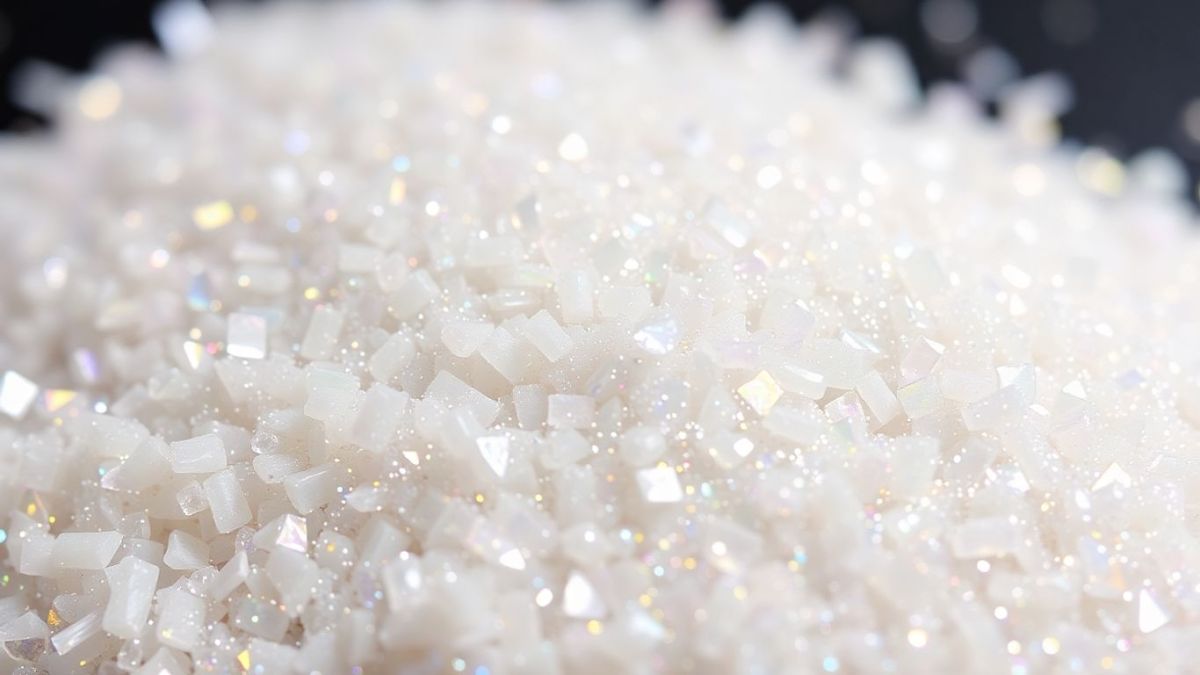 pages about mica.
Biodegradability and Environmental Impact
One of the cool things about mica, whether it's natural or synthetic, is that it's a mineral. This means it's generally considered biodegradable and less harmful to the environment than some plastic-based glitter or shimmer additives. When these pigments eventually make their way into our water systems, they break down more easily. However, it's still good practice to be mindful of how we dispose of products containing these pigments. Some sources suggest wiping excess product onto a cloth before rinsing to minimize what goes down the drain.
- Less likely to cause long-term pollution.
- Breaks down naturally over time.
- Avoids microplastic contamination.
While synthetic mica is a better alternative, responsible disposal practices still matter. Minimizing waste and understanding the lifecycle of the products we use contributes to a healthier planet.
Choosing Conscious Beauty Ingredients
As consumers, we have the power to drive change by choosing brands that are transparent about their ingredient sourcing and production methods. Looking for certifications or statements from brands about their commitment to ethical and sustainable practices can guide our purchasing decisions. It’s about supporting companies that align with our values and want to make a positive impact. This conscious choice helps push the industry towards more responsible manufacturing. It’s not just about looking good; it’s about feeling good about the choices we make for ourselves and the world around us.
Innovations in Synthetic Mica Pearlescent Pigments
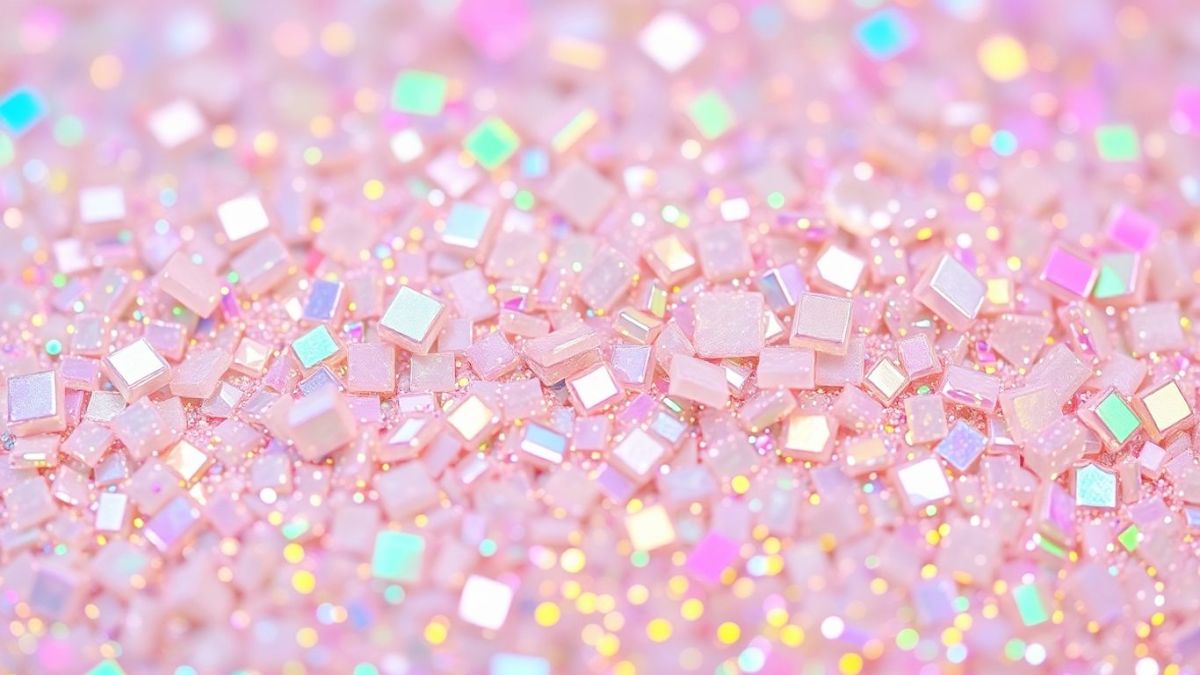
Color Travel and Multi-Dimensional Effects
Forget flat, one-note color. The latest synthetic mica pigments are all about dynamic shifts and captivating depth. We're seeing pigments that change color depending on the angle of light, creating a mesmerizing "color travel" effect. This isn't just a subtle shift; some can transition through a spectrum of hues, adding a truly futuristic and eye-catching dimension to makeup and coatings. Think of a lipstick that appears red from one angle and then shifts to a vibrant orange or even a deep purple as you move. It’s like having multiple colors in a single product.
Advanced Cosmetic Ingredient Technology
Making these advanced effects possible is a whole lot of clever science. Manufacturers are using cutting-edge techniques to control the structure and layering of synthetic mica platelets. This precision allows for:
- Controlled Interference: Precisely engineered layers create specific wavelengths of light to reflect, leading to vibrant colors and pearlescent sheens.
- Enhanced Particle Morphology: The shape and surface of the mica particles are optimized for better light scattering and adhesion.
- Unique Combinations: Blending different types of synthetic mica with other effect pigments opens up a universe of new visual possibilities.
The result is a level of visual complexity and brilliance that was previously unattainable.
Customizable Solutions for Manufacturers
What's really exciting for brands and formulators is the increasing ability to customize these pigments. Manufacturers can now work with suppliers to tailor particle size, color intensity, and even the specific color travel effects to match a brand's vision. This means you can get pigments designed for:
- Specific Textures: From a fine, silky feel to a more pronounced shimmer.
- Targeted Color Palettes: Creating unique color stories that stand out in the market.
- Performance Needs: Optimizing for stability, dispersion, and longevity in different product types.
This level of customization allows for truly unique product development, moving beyond off-the-shelf options to create signature looks and finishes that define a brand's identity. It's a move towards more specialized and personalized cosmetic ingredients.
Wrapping It Up
So, we've looked at how synthetic mica pigments are pretty neat. They show up in all sorts of things, from makeup that sparkles to coatings that need to handle heat. It’s kind of amazing how these lab-made materials can mimic natural mica but with more control and consistency. Whether it's for that extra shimmer in your eyeshadow or for tough industrial jobs, synthetic mica seems to be a solid choice. It’s good to know there are options out there that offer both good looks and reliable performance, and that companies are working on making them in ways that are better for the environment too. Pretty cool stuff, really.
Frequently Asked Questions
What exactly are synthetic mica pearlescent pigments?
Think of synthetic mica pearlescent pigments as tiny, shiny flakes made in a lab. They're designed to look like natural mica, which is a mineral that gives things a shimmery look. These lab-made versions are super consistent and can be engineered to give off amazing colors and sparkle, making makeup and other products look really special.
How are synthetic mica pigments different from natural mica?
Natural mica comes straight from the earth, and sometimes its quality can vary. Synthetic mica, on the other hand, is made carefully in a lab. This means it's usually purer, more consistent in its color and shine, and can be made with specific properties that natural mica might not have. It's like comparing a perfectly grown gem to one found in nature – both beautiful, but one is controlled.
Why do these pigments make makeup look so shimmery and colorful?
These pigments have a special way of reflecting light. When light hits them, it bounces off in a way that creates a beautiful glow, like the inside of a seashell or a pearl. Different types can also change color as you move, adding a cool, multi-dimensional effect that makes makeup really pop.
Are synthetic mica pigments good for sensitive skin?
Yes, generally they are! Because they are made in a controlled way, they tend to be very pure and smooth. This means they are less likely to cause irritation compared to some other ingredients. Many brands use them in products for sensitive skin because they are gentle and safe.
Can these pigments be used in things other than makeup?
Absolutely! While they are super popular in makeup like eyeshadows, lipsticks, and nail polish, they're also used in other products. You might find them in paints, plastics, and even coatings for cars to give them a unique, shimmering finish. Their ability to withstand heat and chemicals makes them useful in many industries.
Are synthetic mica pigments safe for the environment?
Many companies that make synthetic mica focus on being eco-friendly. They try to use cleaner production methods and make sure their pigments are safe when they eventually break down. Since they are often made to be biodegradable, they are generally considered a more responsible choice than some older types of shimmer ingredients.
By clicking 'Allow All', you agree to the storage of cookies on your device to enhance site navigation, analyze site usage and assist with our marketing efforts.