


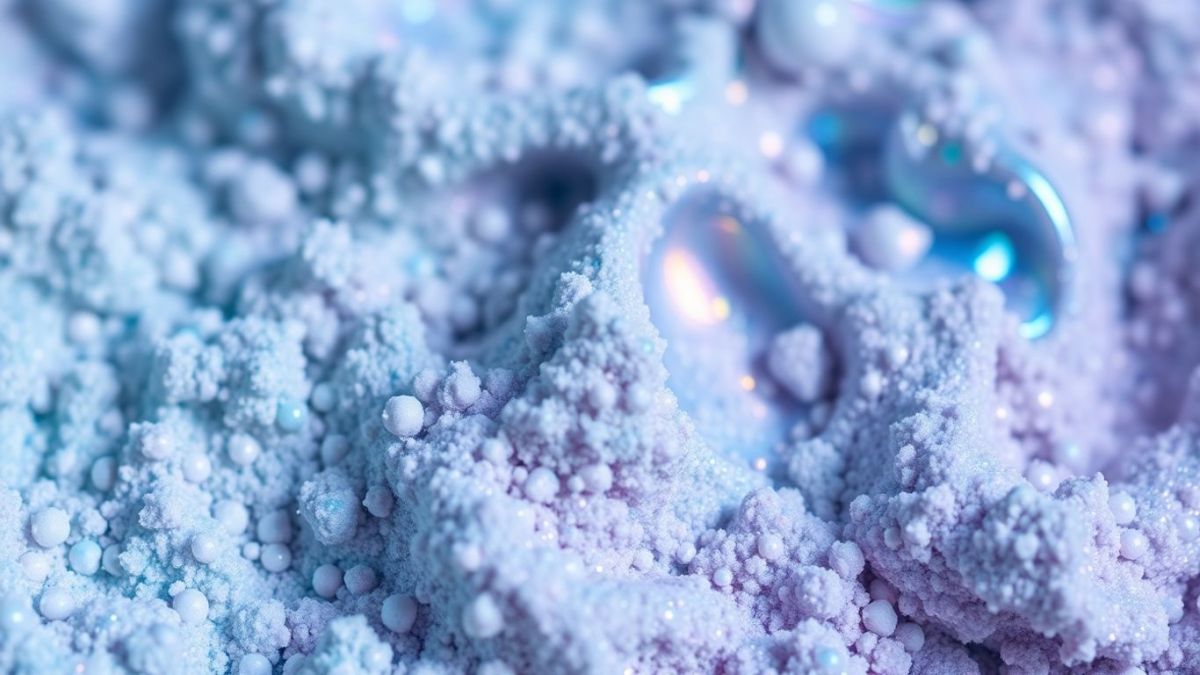
You know, sometimes you see something and it just catches your eye. Maybe it's the way light hits it, or how the color seems to change when you move. A lot of that magic comes from something called pearl pigment. It’s not just for fancy paint jobs anymore; this stuff is showing up everywhere, making everyday items look a whole lot more interesting. We're going to take a look at how these pigments work and where you're likely to see them, from your clothes to your windows. Pearl pigments are a type of effect pigment that creates a shimmering or iridescent appearance. They are made of tiny, flat particles, typically mica or synthetic substrates, coated with thin layers of metal oxides such as titanium dioxide and iron oxide. These layers are precisely controlled in thickness to produce interference colors, similar to how a soap bubble or oil slick displays a rainbow of colors. As light strikes these particles, it is reflected and refracted, creating a lustrous effect that can change depending on the viewing angle and the angle of illumination. This ability to manipulate light is what gives pearl pigments their unique visual appeal and makes them valuable in a wide range of applications.om your clothes to your windows.
Key Takeaways
Pearl pigments add a special shine and color-changing effect to inks and coatings, making products look more appealing.
Beyond looks, these pigments can help control light in glass for buildings and last a long time, even in tough spots.
Unique pearl effects can help brands make their products stand out and even make it harder for others to copy them.
You can find pearl pigments used in inks for clothes, solar panels, and all sorts of packaging and printed materials.
To get the best shine from pearl ink, you need to print it on a smooth surface and pay attention to curing it properly.
Enhancing Visual Appeal With Pearl Pigments

Let's talk about making things look good, really good. In the world of inks and coatings, pearl pigments are like the secret sauce for adding that extra bit of wow factor. They're not just about making colors pretty; they bring a whole new dimension to how we see products.
Boosting Shelf Appeal With Pearlescent Luster
Think about walking down an aisle. What catches your eye? Often, it's that subtle shimmer, that hint of something special. Pearl pigments give inks a soft, pearly glow that just screams quality. This pearlescent luster instantly makes a product feel more premium and desirable. It's why you see them so much on fancy cosmetic boxes, high-end liquor bottles, and even gift packaging. They transform a flat design into something that seems to have a bit of life and depth. It’s a simple way to make your product stand out from the crowd without going overboard. You can find some great options for adding this shimmer to your prints here.
Adding Luxurious Texture to Packaging
Beyond just shine, pearl pigments can give packaging a tactile feel that suggests luxury. It's not just about how it looks, but how it feels to hold. This subtle texture can make a big difference in how a consumer perceives the value of the product inside. Imagine a perfume bottle or a chocolate box – that smooth, almost silky feel combined with a gentle shimmer? It just feels more expensive, doesn't it? This effect is achieved through the way the pigment particles are structured and how they interact with light, creating a soft, diffused glow rather than a harsh glare.
Creating Captivating Angle-Dependent Color Shifts
This is where things get really interesting. Some pearl pigments don't just have one color; they change color as you move the product or change your viewing angle. It's like a subtle magic trick. These "color-shift" or "chameleon" effects are incredibly eye-catching and can make a design truly memorable. They add a dynamic element that standard pigments just can't replicate. This is particularly effective for brands that want to convey innovation or a sense of wonder. It's a way to create a visual experience that keeps people engaged with the product long after they've first seen it.
Pearl pigments work by creating optical interference. Tiny, flat particles coated with metal oxides reflect and refract light in specific ways. The thickness of the coating and the angle of light hitting the particle determine the color you see, leading to those beautiful, shifting effects.
Functional Applications Of Pearl Pigments In Inks
Modulating Light Transmittance in Architectural Glass
Pearl pigments aren't just for making things look pretty on packaging. They actually do some pretty neat stuff in industrial applications, like with glass for buildings. Think about windows in big office buildings or even those fancy solar panels that are part of the building itself (that's BIPV, by the way). By mixing specific pearl pigments into the inks used to print on this glass, we can actually control how much light and heat comes through. It's like giving the glass a built-in tint that changes depending on the angle you're looking at it. This helps keep buildings cooler in the summer and warmer in the winter, which is good for saving energy. Plus, it can make the glass look more uniform and attractive from the outside.
Ensuring Durability in Harsh Environments
One of the cool things about pearl pigments is that they're tough. They can handle a lot, like strong sunlight, different temperatures, and even some chemicals. This means that when you use inks with pearl pigments on things that are going to be outside or in tough spots, they tend to last a lot longer. We're talking about things like signs that need to withstand the weather, parts of cars, or those BIPV solar glass components we just talked about. The pigments themselves are usually made from mica flakes coated with metal oxides, and this structure makes them really stable. So, the color and the effect don't fade or break down easily, which is a big deal when you need something to look good and work well for years.
Providing Energy Efficiency in BIPV Components
Building-Integrated Photovoltaics, or BIPV, is a fancy term for solar panels that are actually part of the building's structure, like the windows or facade. Pearl pigments play a role here too, beyond just looking nice. When used in the inks printed on BIPV glass, they can help manage solar energy. Certain pearl pigments can be chosen to reflect specific wavelengths of light or to create a shading effect. This helps to control how much solar radiation is absorbed by the glass and the solar cells behind it. By fine-tuning this, we can improve the efficiency of the solar cells and also manage the temperature of the building. It's a way to make buildings generate their own power while also being more comfortable and energy-efficient, all thanks to a little bit of pearlescent magic in the ink.
Pearl Pigments For Brand Differentiation
In today's crowded marketplace, making your brand stand out is more important than ever. Pearl pigments offer a unique way to do just that, giving products a distinctive look that's hard to copy. They're not just about making things pretty; they can actually help protect your brand and build customer trust.
Leveraging Unique Effects for Anti-Counterfeiting
Think about it: those cool color shifts and pearly sheens that catch your eye? They're not easy to fake. When a product has a special pearlescent effect, it makes it much harder for counterfeiters to produce convincing knock-offs. This means consumers can have more confidence that they're buying the real deal. It's a smart way to add a layer of security right onto the packaging.
Enabling Consumer Authenticity Checks
This ties right into the last point. When a product has a unique visual feature thanks to pearl pigments, customers can do a quick check themselves. They can look for that specific shimmer, the way the color changes when they tilt the package, or that subtle glow. If it's not there, or if it looks 'off,' they know something's not right. This simple visual cue can be a powerful tool for consumers to verify authenticity, especially for high-value items. It's like a built-in quality control that anyone can use. For example, brands in the cosmetics or spirits industry often use these effects to signal premium quality and authenticity.
Achieving Distinctive Brand Identity
Beyond just security, pearl pigments are fantastic for building a strong brand identity. Imagine a line of products all featuring a signature pearlescent finish. It creates a cohesive and memorable look that customers will start to associate with your brand. Whether it's a subtle, elegant shimmer for a luxury item or a bold, metallic flash for a more dynamic product, pearl pigments allow for a wide range of aesthetic expressions. This visual consistency helps build brand recognition and loyalty over time. It’s about creating a look that’s uniquely yours and instantly recognizable on the shelf. You can explore different types of pearl pigments, like those used in custom paint projects, to find the perfect match for your brand's personality.
Core Application Areas For Pearl Pigments
Pearl pigments aren't just for making things look pretty, though they certainly do that. They've found their way into some pretty important jobs across different industries. Think about it: you want something to look good, but you also need it to perform well, right? That's where these special pigments shine.
Textile Inks for Fashion and Sportswear
When you see a T-shirt or a pair of running shorts with that subtle shimmer or a color that seems to change as you move, chances are pearl pigments are involved. They add a bit of flair to fabrics, making athletic wear and everyday fashion pop. It's not just about looks, though; these inks need to be flexible and tough enough to handle washing and stretching without losing their luster. We're talking about making your gear look good and feel good, wash after wash.
PV and BIPV Glass Inks for Solar Applications
This is where pearl pigments get really interesting, moving beyond just decoration. In solar panels, especially Building-Integrated Photovoltaics (BIPV), these pigments play a functional role. They can be used to control how much light and heat get through the glass. This helps manage the temperature inside buildings and can even boost the efficiency of the solar cells themselves. It’s a neat trick, using a pigment that looks good to also help with energy efficiency. You can find these inks used for decorative borders or internal shading on solar panels, blending art with science. Check out how they're used in automotive paints for a similar blend of style and function.
Printing Inks for Packaging and Commercial Use
This is probably the most common place you'll see pearl pigments. They're fantastic for making packaging stand out on a crowded shelf. Think about high-end cosmetic boxes, wine labels, or even electronics packaging. That extra bit of shine and depth makes a product feel more premium. In commercial printing, like on magazine covers or fancy brochures, they add a touch of class. It's all about grabbing attention and making a good first impression. The key is to get the right base and application right to maximize that shine.
Pearl pigments are versatile, offering both aesthetic appeal and practical benefits. Their ability to manipulate light and add a unique visual texture makes them valuable ineverything from fashion to energy-efficient building materials. Choosing the right type and application method is key to achieving the desired effect and performance.
Achieving Mesmerizing Effects With Pearl Ink
So, you've got this pearl ink, and you want it to really pop, right? It's not just about slapping it on; there's a bit of a knack to it if you want that shimmering, almost magical look. The key is in the preparation and the printing technique.
Best Practices for Printing Pearl Ink
Getting pearl ink to look its best involves a few steps. It's all about creating the right surface for the pearlescent particles to shine.
Smooth Base is King: Pearl ink performs way better over a smooth surface. Think of it like trying to see glitter on a bumpy rug versus a smooth table. You can print it over a base white, a clear, or even another color, depending on your design.
Screen Mesh Matters: For most pearl inks, a mesh count between 156 and 230 threads per inch usually does the trick. The exact count depends on how detailed your artwork is.
Flatten Those Fibers: This is a big one. If you're printing on fabric, you need to flatten down those little fibers. Using an in-head iron after flashing your underbase can help a lot. The smoother the surface, the more the pearl effect will show.
Squeegee Choice: You want a squeegee that's not too soft and not too hard. A 70 durometer or a 65/90/65 blade often works well. Too soft, and you won't get enough ink down; too hard, and the ink layer might be too thin. You're aiming for an even deposit.
Flood Print: If you can, do a flood stroke. This fills the stencil nicely and helps clear the ink from the screen, leading to a smoother print.
Creating a Smooth Base for Maximum Shine
This is where the real magic happens. You need a surface that's almost like glass for the pearl effect to truly come alive. If you're printing on textiles, this means getting rid of any texture from the fabric itself. A smooth underbase is your best friend here. It acts like a primer, giving the pearl ink a flat canvas to sit on. Without it, the fabric's texture can poke through, making the shimmer look dull. Think of it as preparing a canvas before painting a masterpiece – you wouldn't paint on a rough, unprimed surface and expect great results, would you?
Understanding Color Mixing With Pearl Pigments
Pearl pigments aren't like regular colors where you just mix red and blue to get purple. They work by reflecting light. When you mix them with other colors, you're not just changing the hue; you're changing how light interacts with the pigment. This means:
Subtle Shifts: Mixing pearl pigments with standard colors usually results in a softer, more muted version of that color, with a pearlescent sheen. It's less about creating a new color and more about adding a special effect to an existing one.
Angle Dependency: The real fun comes from how the color appears to change as you move the printed item. This is due to the way the light bounces off the pigment flakes. Different colors will have different degrees of this color shift.
Base Color Impact: The color underneath the pearl ink significantly affects the final look. A pearl ink over black will appear very different from the same pearl ink over white or a bright color. Experimentation is key to finding the exact effect you're after.
When working with pearl inks, remember that they are all about light reflection. The smoother your print surface and the more even your ink deposit, the more dramatic the pearlescent effect will be. Don't be afraid to test different bases and squeegee combinations to find what works best for your specific project and desired outcome. It's a bit of trial and error, but the results are usually worth it.
Creative Uses For Pearl Pigments In Coatings
Pearl pigments aren't just for inks; they bring a whole new level of wow to coatings too. Think custom paint jobs, dazzling nail art, and even cool effects in resin projects. These little particles can really transform a surface from plain to spectacular.
Custom Paint Projects With Powder Pearls
If you're into custom car paint, furniture refinishing, or just want to make something truly unique, powder pearls are your best friend. These are super fine mica powders that you can mix into automotive paints, plasti-dip, powder coatings, and even gel coats. They give you these amazing color-shifting effects that change depending on how the light hits them. You can get subtle glows or wild, multi-color shifts. It's a great way to add a high-end look without needing super specialized equipment. Just a little bit can go a long way, making your project stand out.
Color-shift effects: From subtle interference to dramatic multi-color flips.
Versatile application: Works in paints, dips, clears, and top coats.
High pigment load: Intense color payoff even with small amounts.
Nail Art Applications With Pigment Flakes
Nail artists have been having a blast with pearl pigments, often in flake form. These can be applied over regular nail polish or gel to create that sought-after pearlescent or iridescent finish. You can achieve anything from a soft, milky glow to a vibrant, holographic shimmer. It's a simple way to add a professional, eye-catching touch to manicures. The way they catch the light makes nails look really dynamic.
Resin and Coating Projects With Dry Pearls
For anyone working with epoxy resins, clear coats, or even DIY craft projects, dry pearls offer a fantastic way to add depth and visual interest. Mixing them into clear resins or top coats can create stunning effects for tabletops, jewelry, or decorative items. You can get a beautiful, subtle shimmer or layer them for more intense color play. It's a straightforward method to give your resin creations that extra bit of magic. Remember to do a small test batch first to see how the pigment behaves in your specific medium. You can find these pigments at many art supply stores.
Working with pearl pigments in coatings often requires understanding how light interacts with the particles. The size and shape of the pigment flakes, along with the binder's clarity, play a big role in the final effect. Experimentation is key to finding the perfect balance for your project.
Wrapping It Up
So, we've looked at how pearl pigments can really make things pop, from fancy packaging to cool car paint and even solar panels. They're not just about looking pretty, though. These pigments can actually do useful jobs, like helping control light and heat, and they make it harder for fakes to show up. It’s pretty neat how something that adds a bit of shimmer can also be so practical. Whether you're printing on fabric, making art with resin, or designing new building materials, these pigments give you a lot of options to make your project stand out. It’s worth playing around with them to see what cool stuff you can come up with.
Frequently Asked Questions
What exactly are pearl pigments and how do they make things look shiny?
Pearl pigments are like tiny, special flakes. They're made by coating thin layers of stuff like titanium dioxide onto mica, which is a mineral. When light hits these flakes, it bounces off in a cool way, creating a soft shine or even changing colors as you move. Think of it like a rainbow trapped inside a tiny flake, making everything look fancy and shimmery.
Where are pearl pigments usually used?
You'll find pearl pigments making things look good in lots of places! They're used in inks for printing on packaging, like fancy boxes for makeup or gifts. They also make clothes, especially sports gear, look more exciting. Plus, they're used in paints for cars and even on glass for buildings to make them look cool and help with energy.
Can pearl pigments help protect products?
Yes, they can! Pearl pigments are tough. They can handle heat, weather, and chemicals pretty well. This means they can help inks and coatings last longer, even when they're used outside or in tough spots. So, they don't just look good, they can also help things stay looking good for a long time.
How do pearl pigments help brands stand out?
Brands use pearl pigments because the special shine and color-changing effects are hard for others to copy exactly. This makes it harder for fake products to look real. When you see a product with a unique shimmer, it can be a sign that it's the genuine article from the brand.
What's the best way to print with pearl ink to get the most shine?
To get the best shine from pearl ink, it's usually best to print it over a smooth surface. This could be a base layer of white ink, a clear ink, or even another color. Printing directly onto rough fabric can make the shine look dull. Using the right screen and squeegee also helps make sure the ink goes on smoothly so the pearl effect can really pop.
Can I mix pearl pigments with other colors?
You can definitely mix pearl pigments with other colors, but you have to be careful! If you add too much regular color, it can cover up the pearl effect and make it disappear. Lighter, pastel colors usually work best because they let the pearl shine through. It's always a good idea to test your mix first to see how it looks before printing a lot.
By clicking 'Allow All', you agree to the storage of cookies on your device to enhance site navigation, analyze site usage and assist with our marketing efforts.